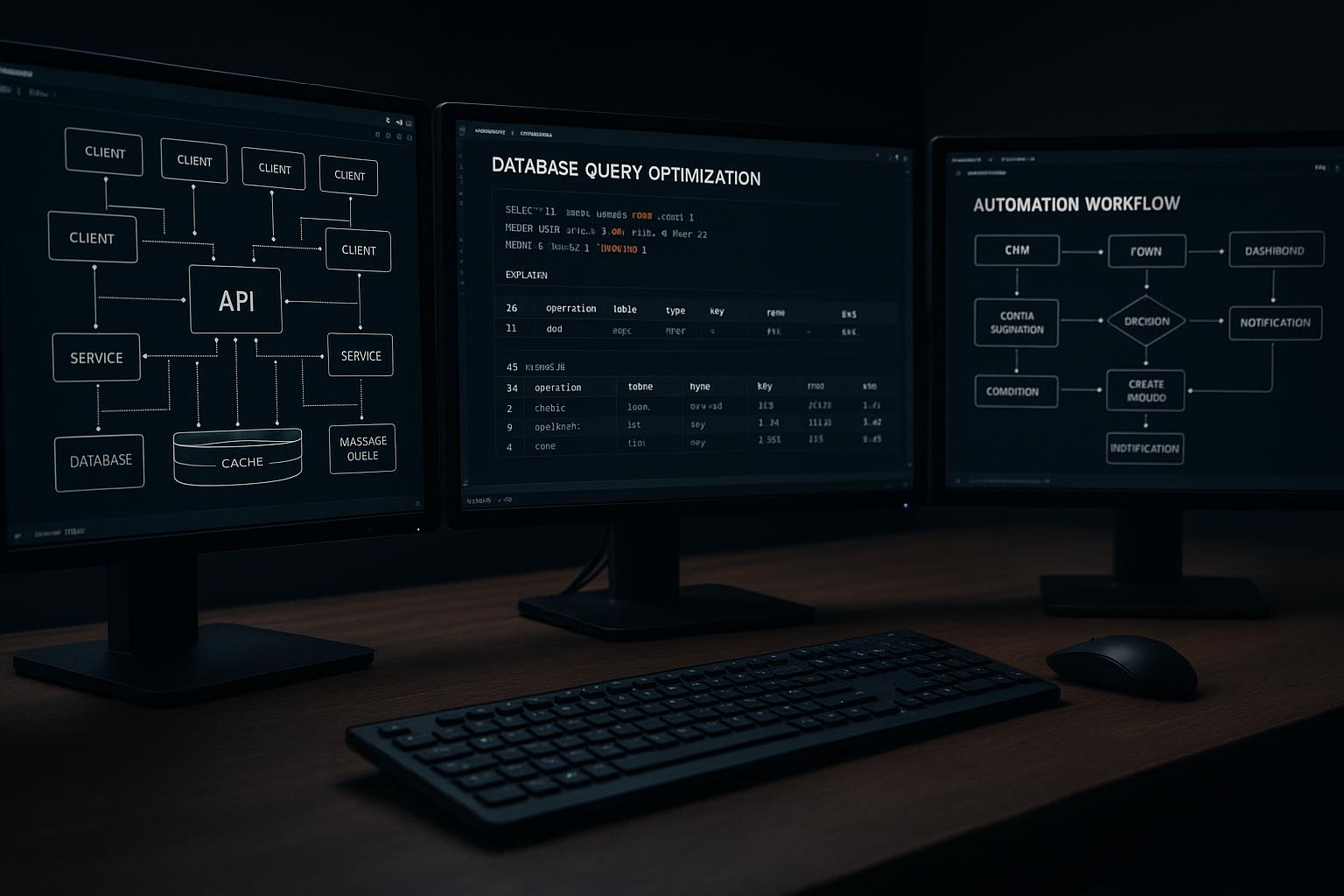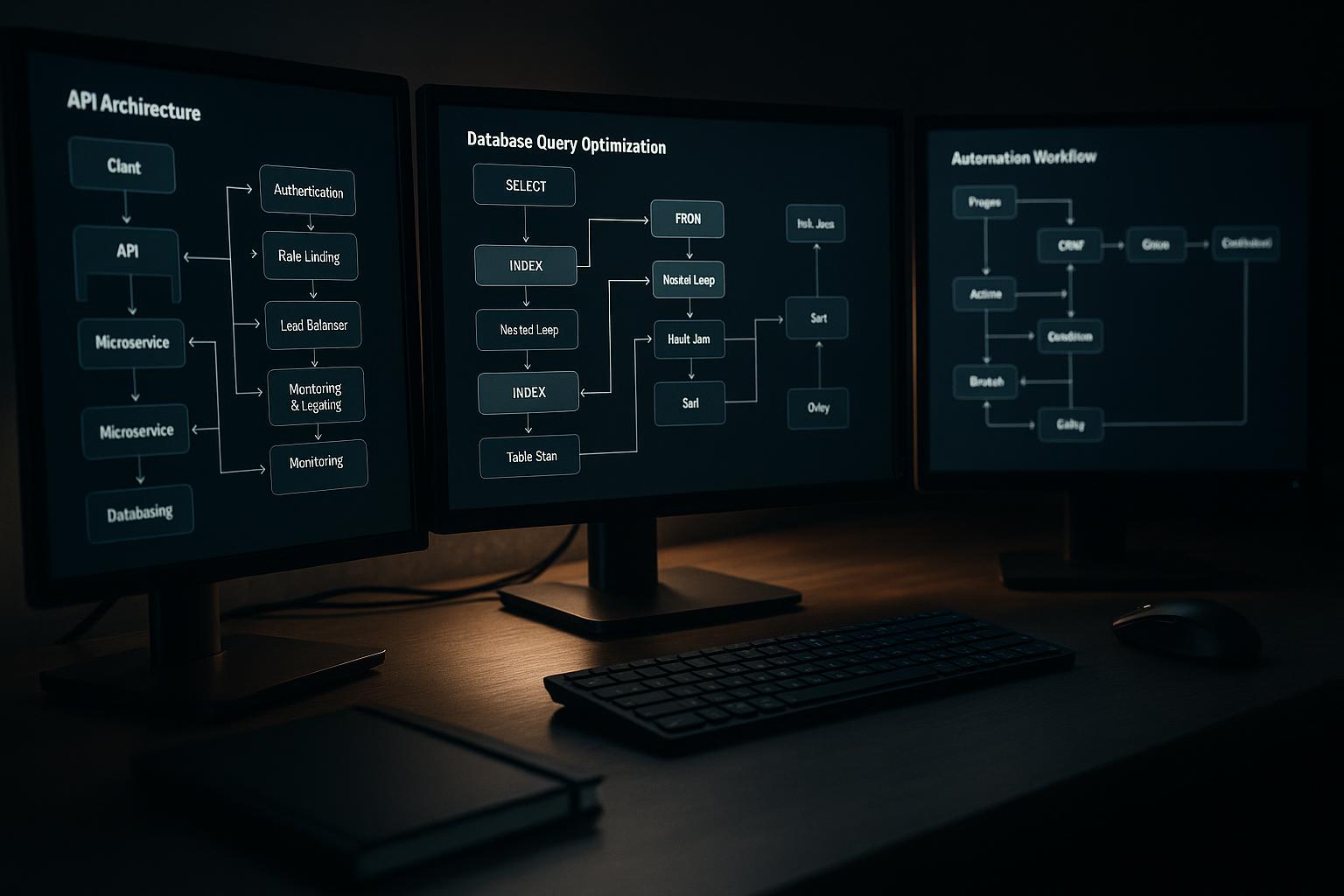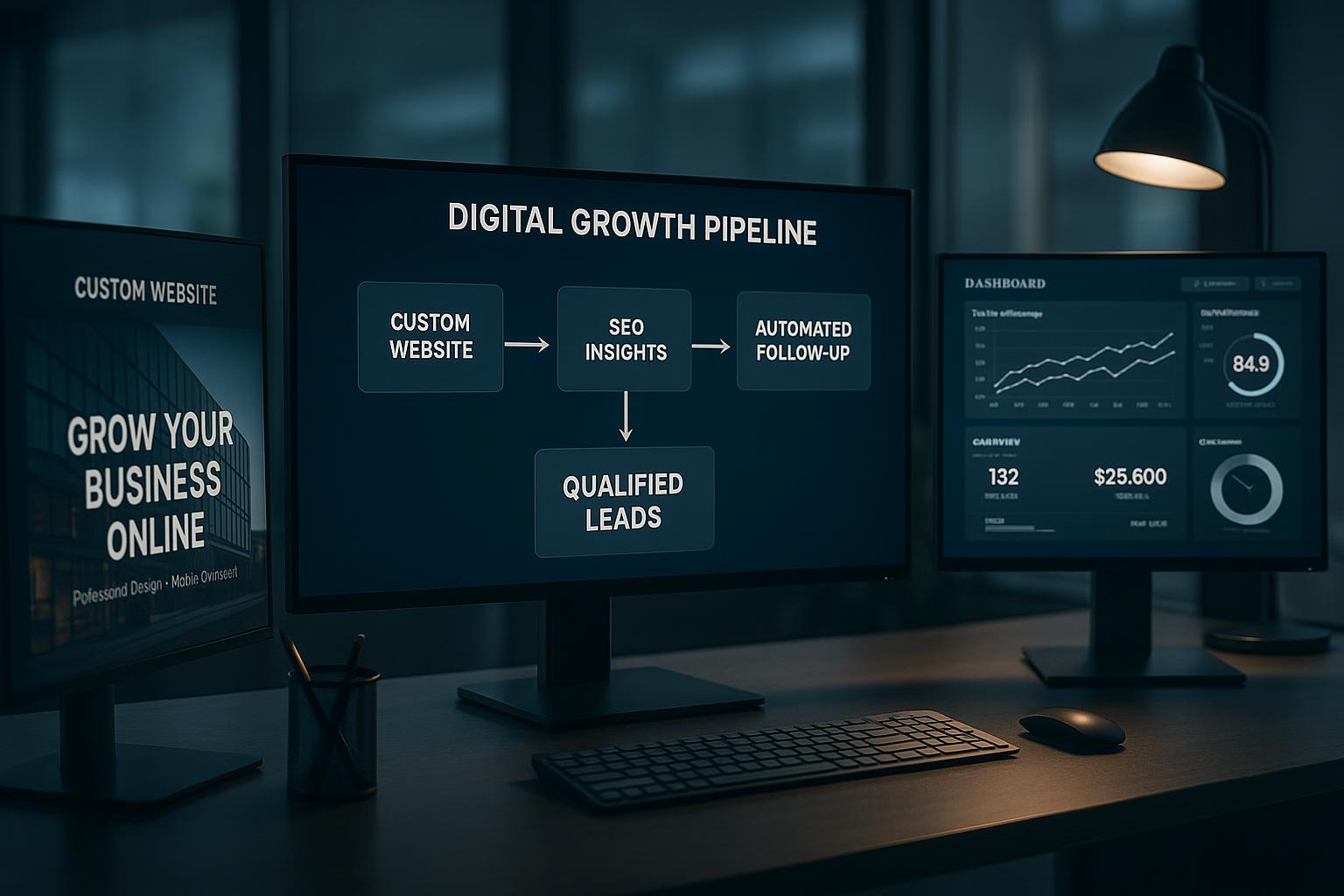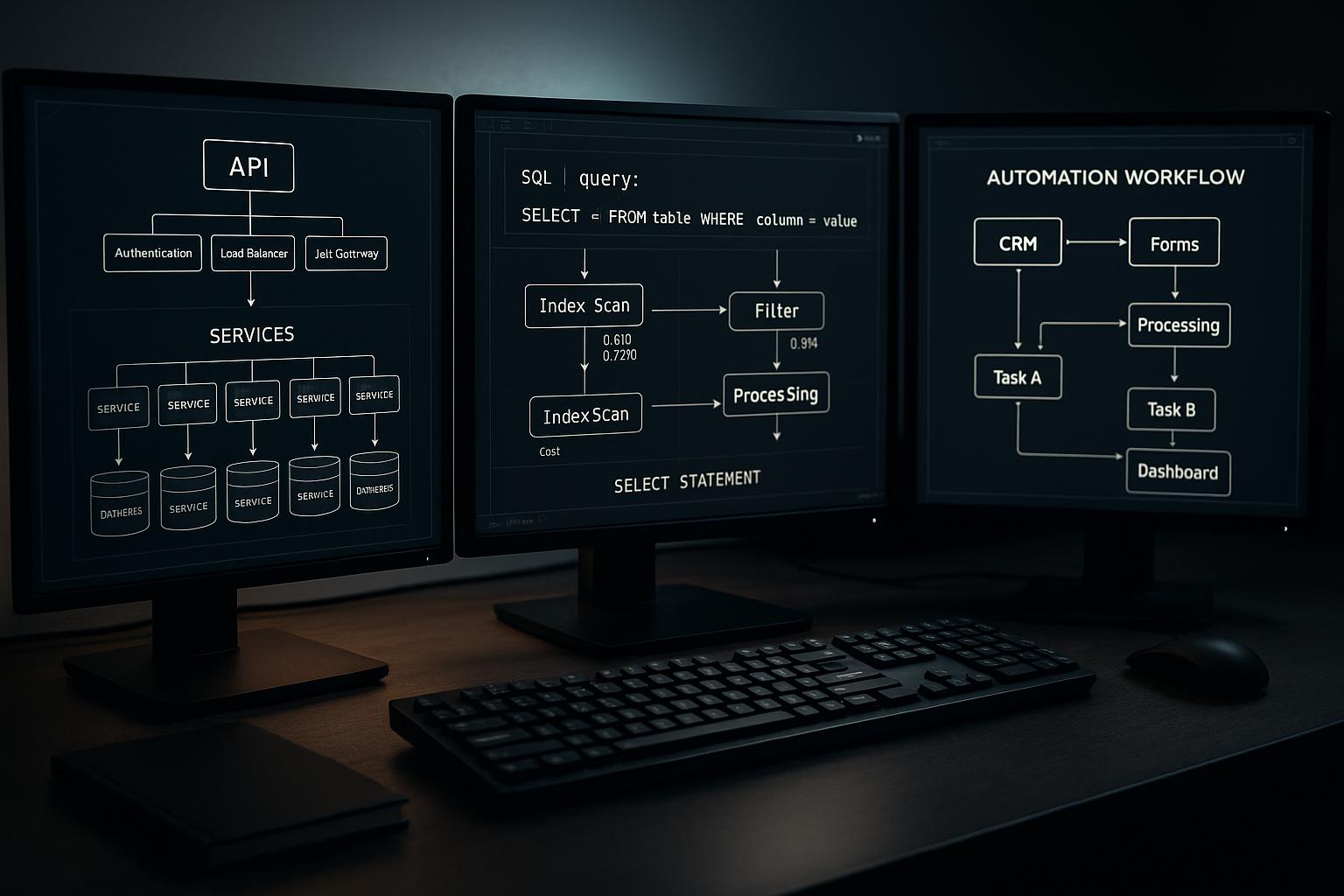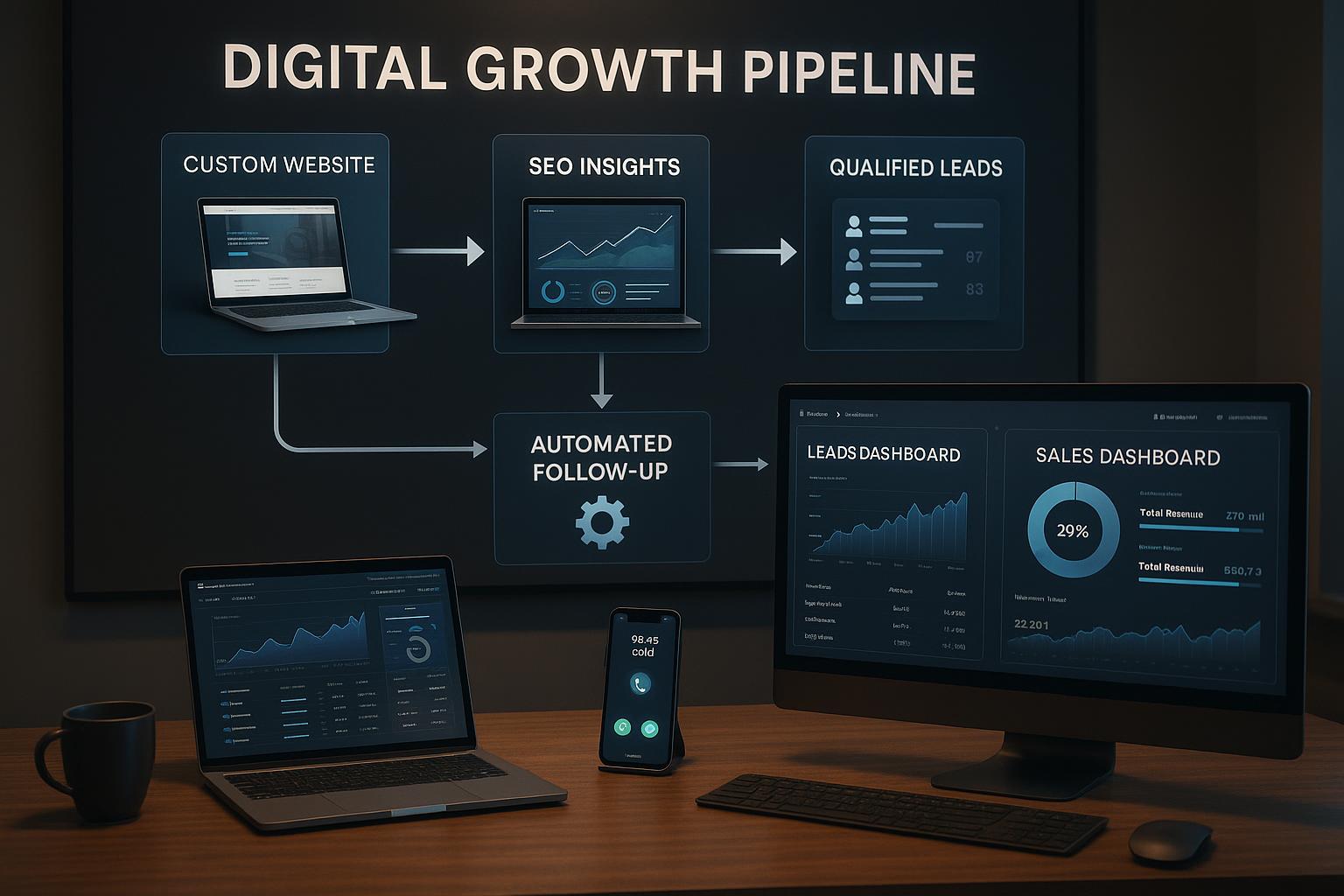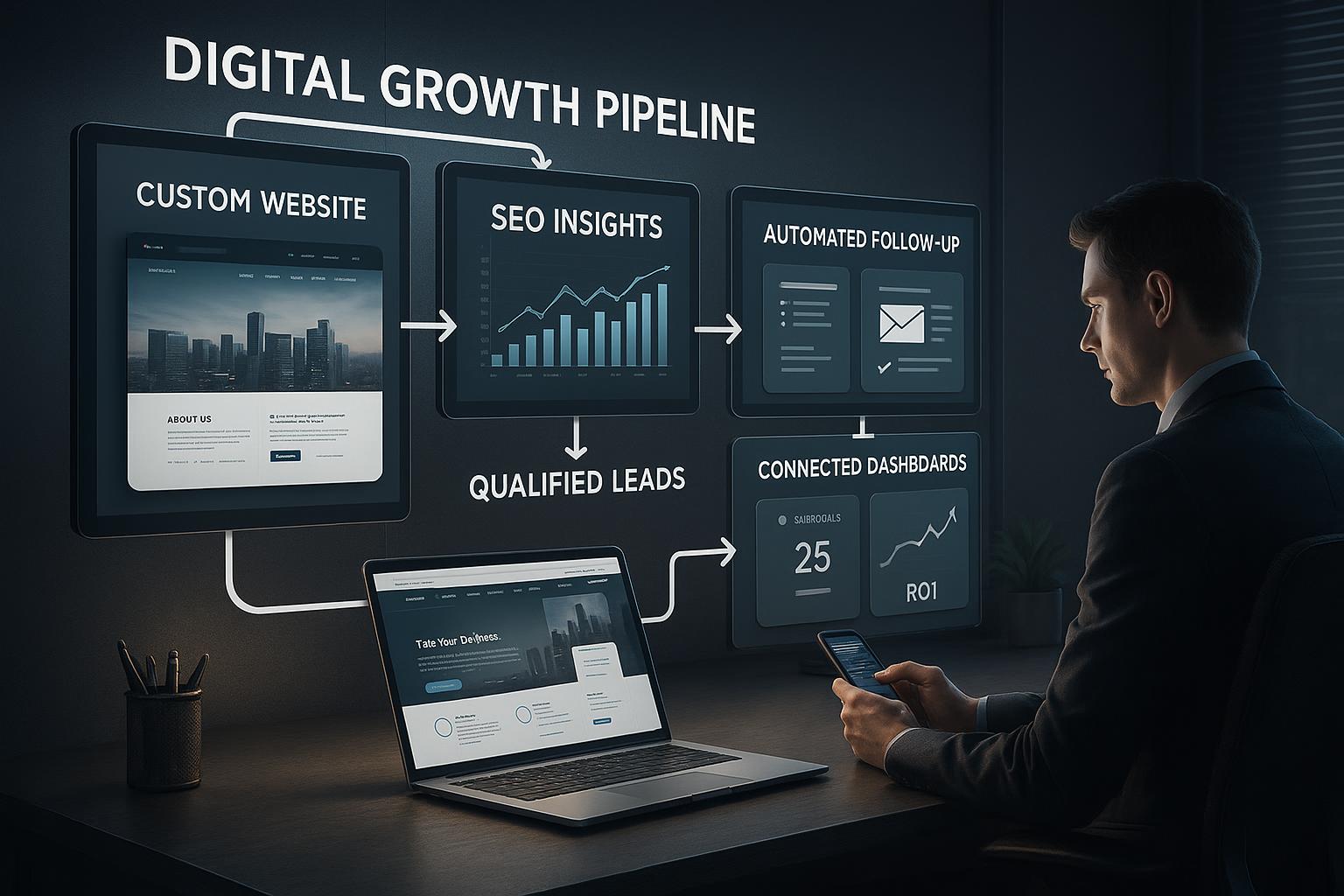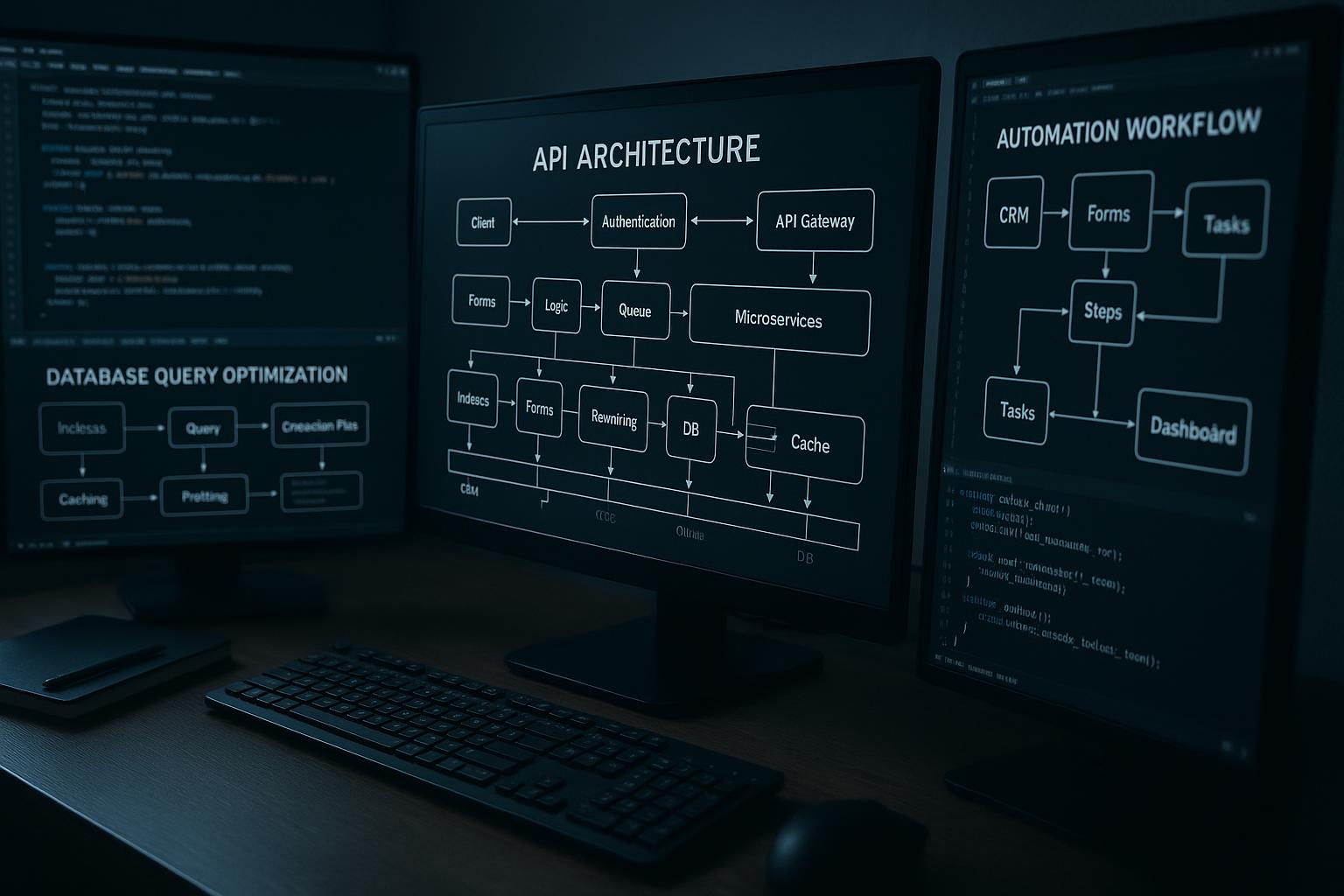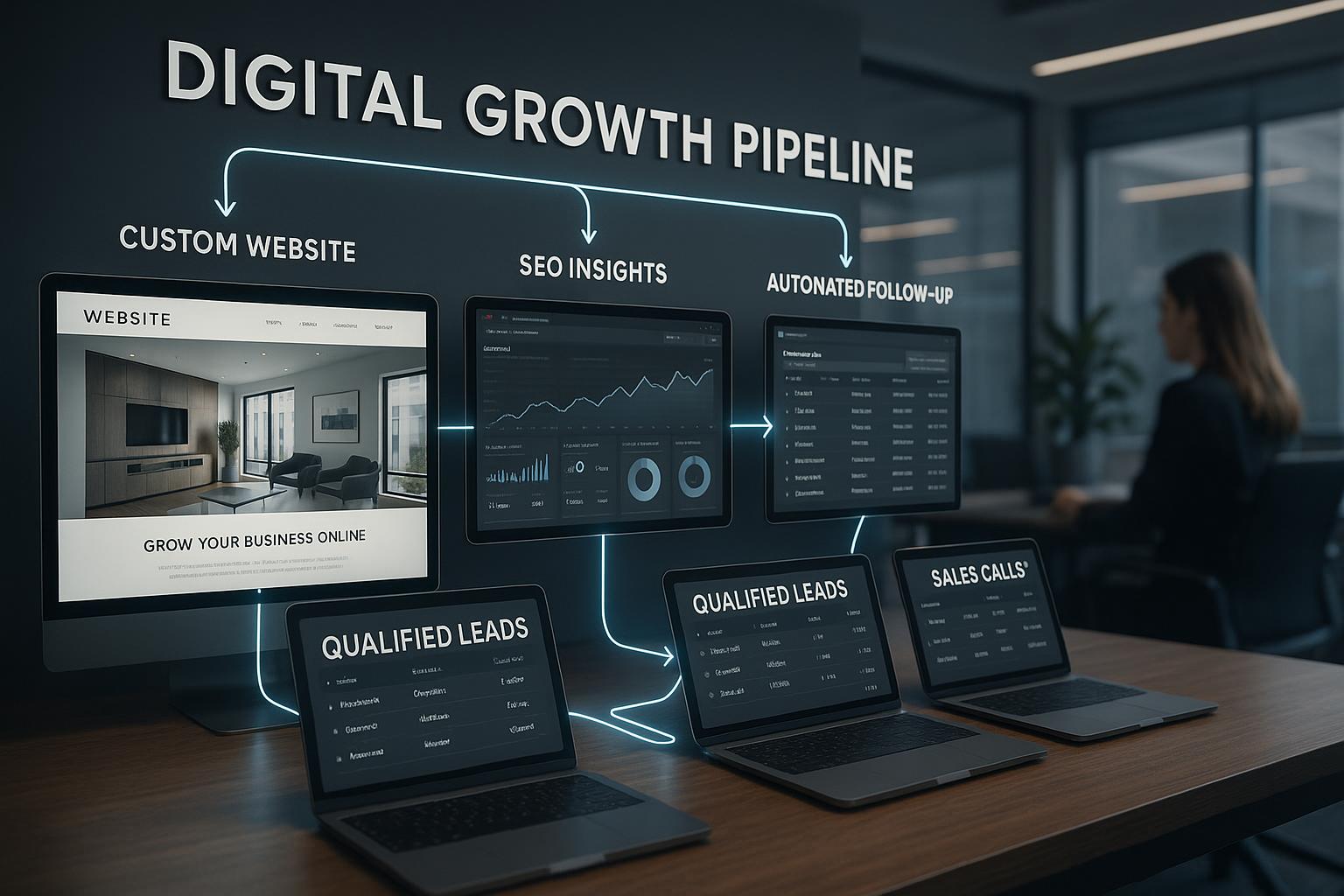

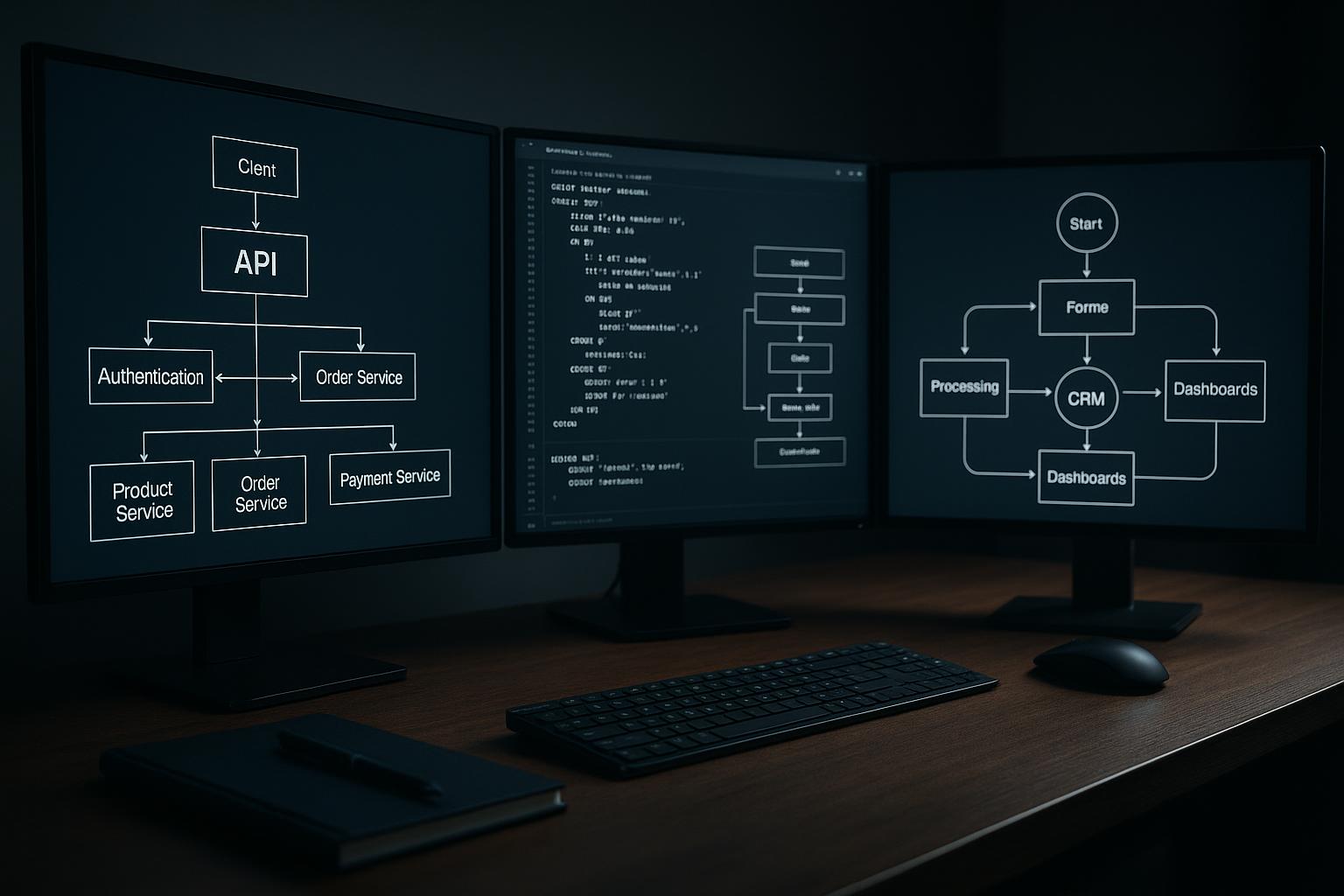
Trust, speed, and conversions begin with a ColdFusion-centric design and hosting approach
In a competitive digital landscape, your website must do more than look good. It has to earn trust, load fast, and convert visitors into customers. That’s where a thoughtful combination of design quality, engineering depth, and SEO discipline matters most. At Full Blown Studio, we blend ColdFusion Web Design and Hosting excellence with rigorous database architecture, seamless integrations, and measurable SEO outcomes to deliver websites that perform today and scale for tomorrow. If you’re evaluating a ColdFusion-driven stack or a modernization project, you want a partner who speaks both code and conversion language—without compromising reliability or velocity. Learn more about our approach at https://www.fullblown.com.
What makes ColdFusion Web Design and Hosting different?
ColdFusion is not just a programming language; it’s a platform that supports rapid development, robust integration, and scalable architectures. When paired with a strategic hosting and optimization plan, ColdFusion projects can outpace conventional stacks in reliability, maintainability, and long-term total cost of ownership. Here’s how that translates into real-world outcomes:
- Structured, modular ColdFusion codebases that scale as business needs grow, reducing ramp-up time for new features and integrations.
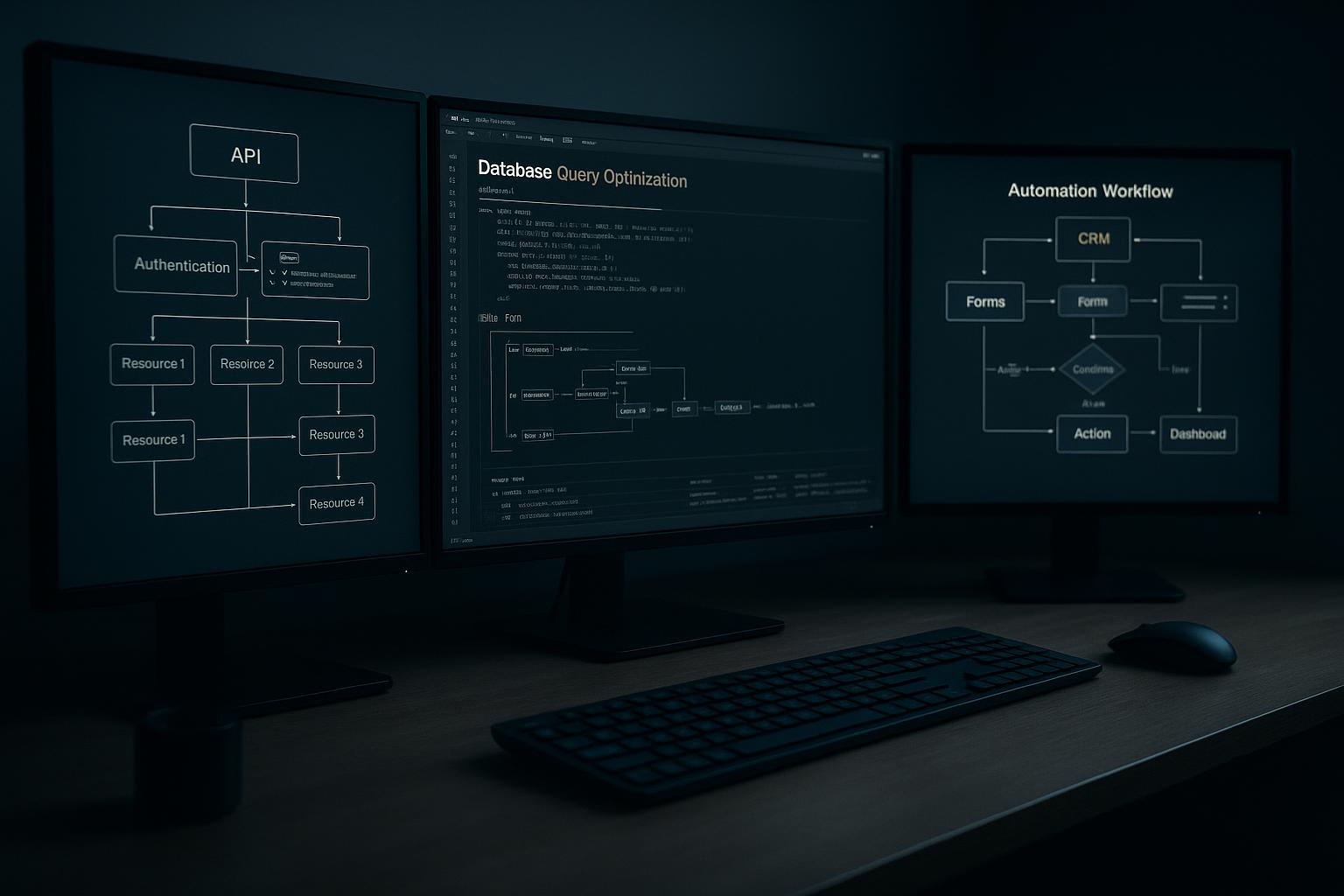
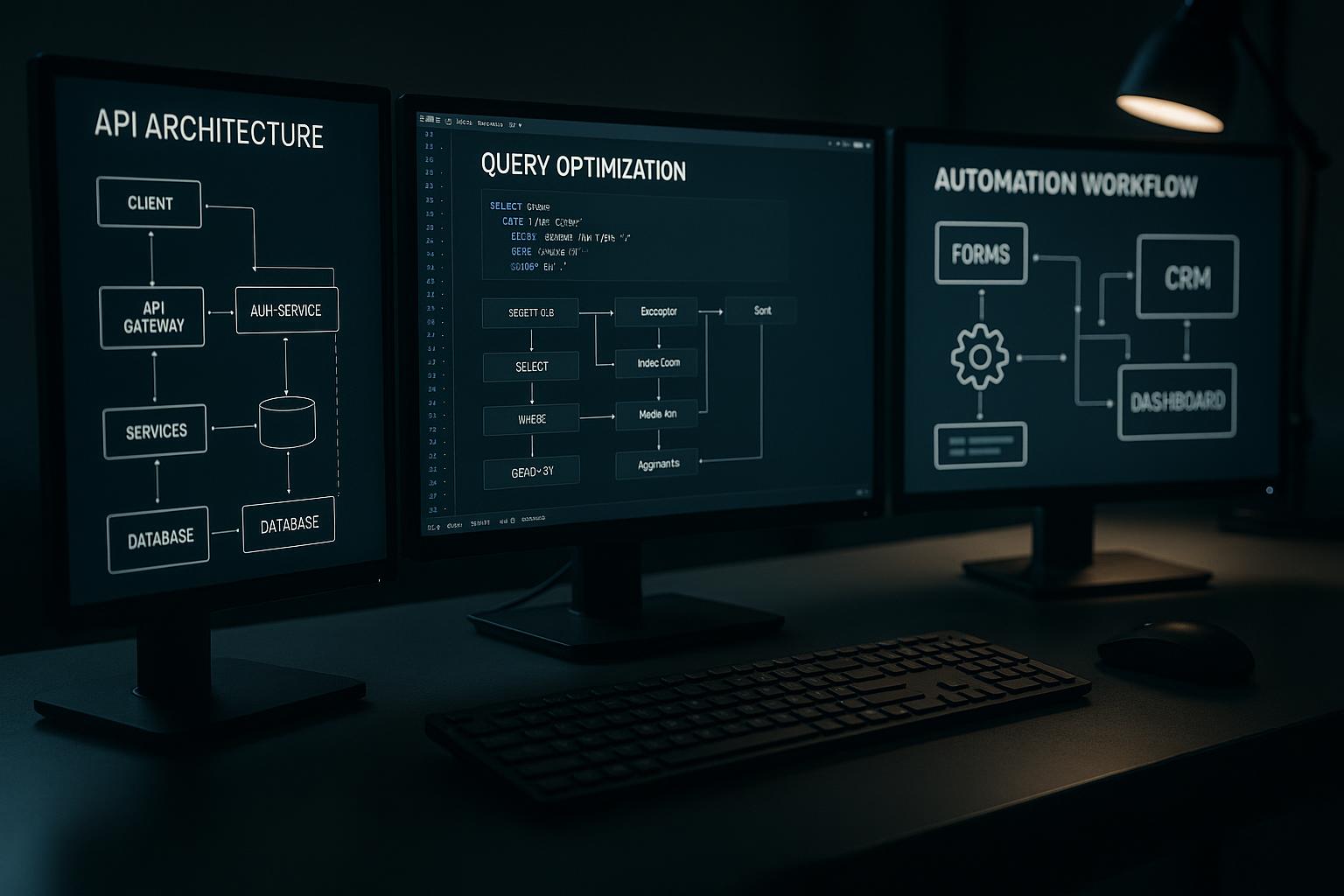
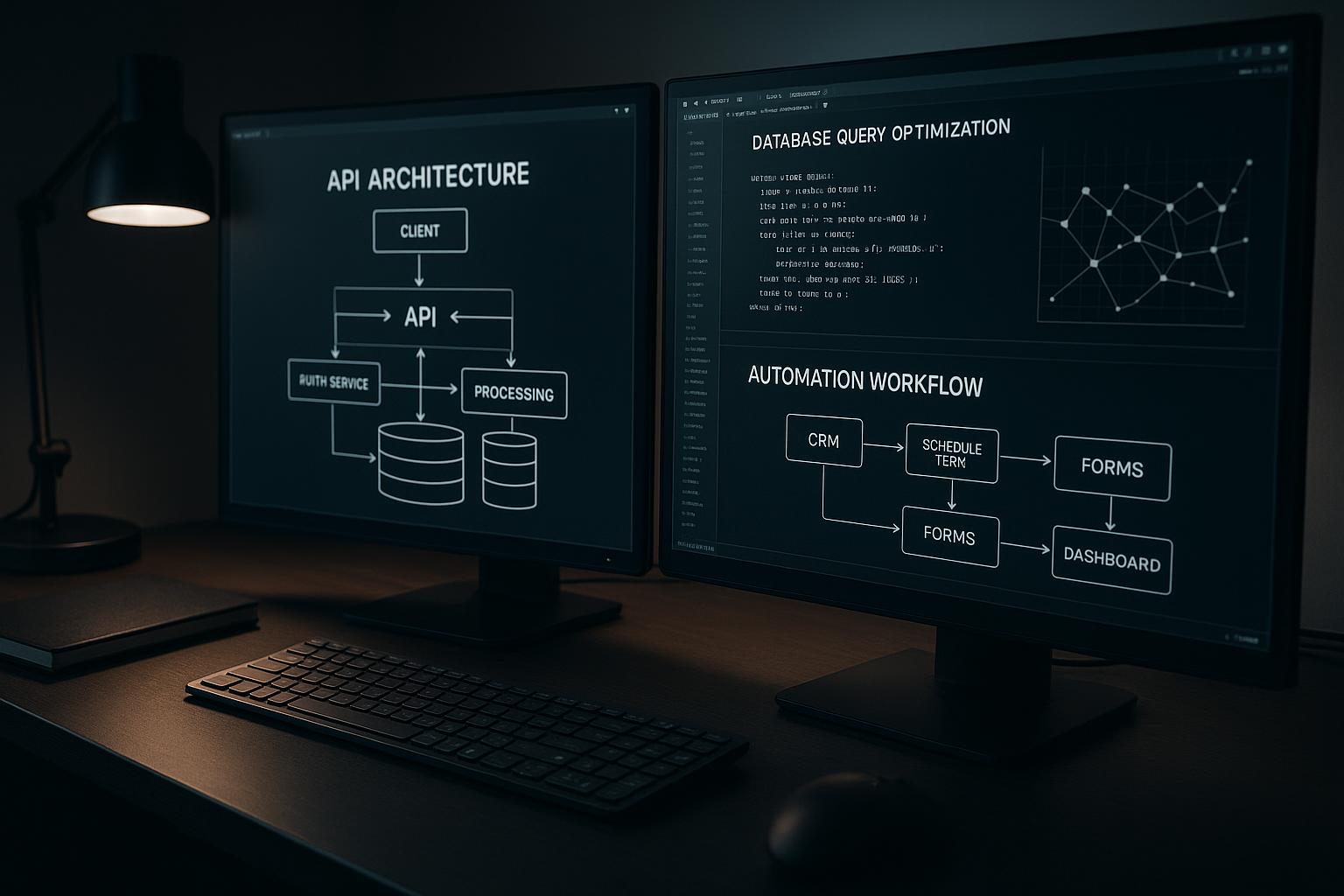
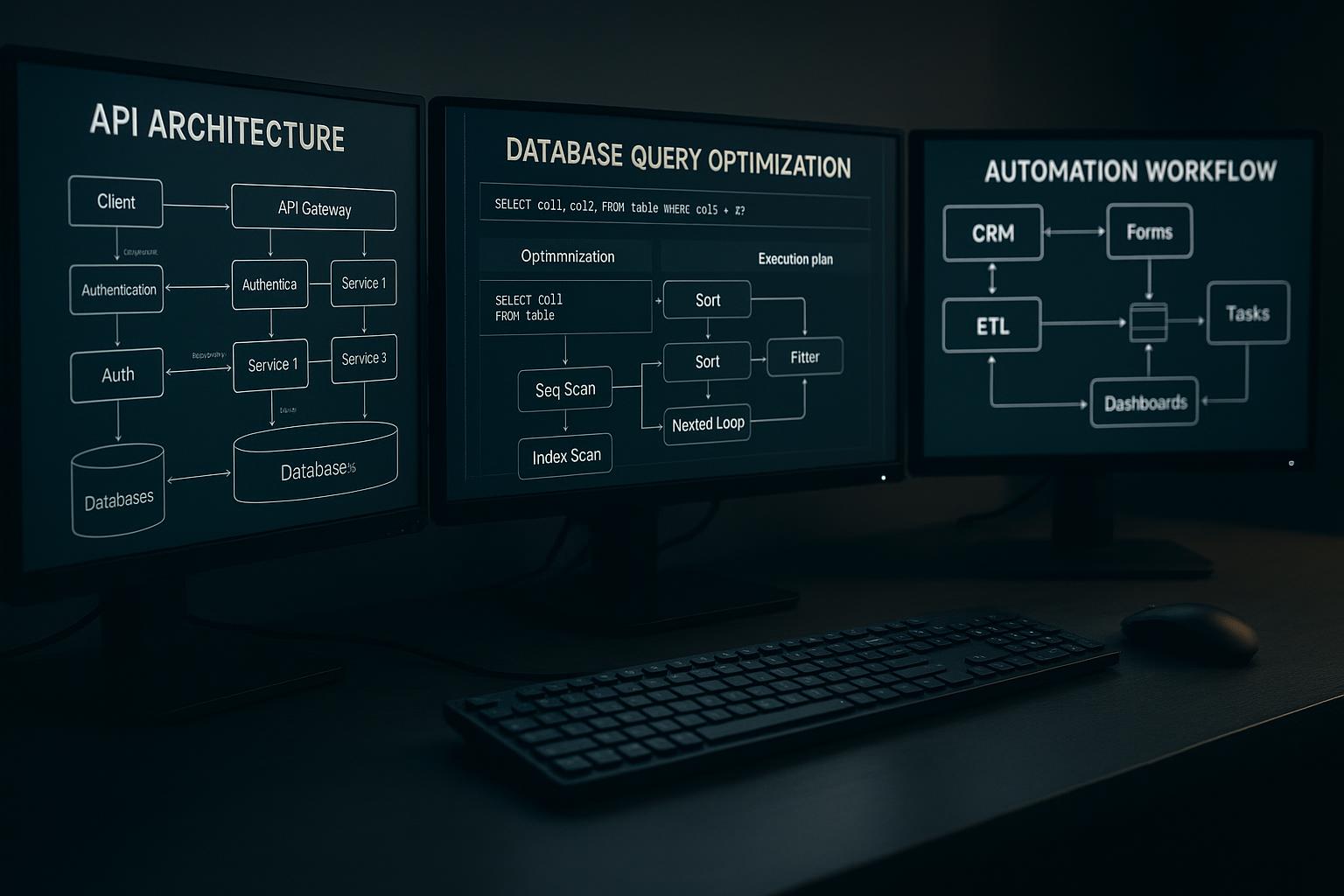
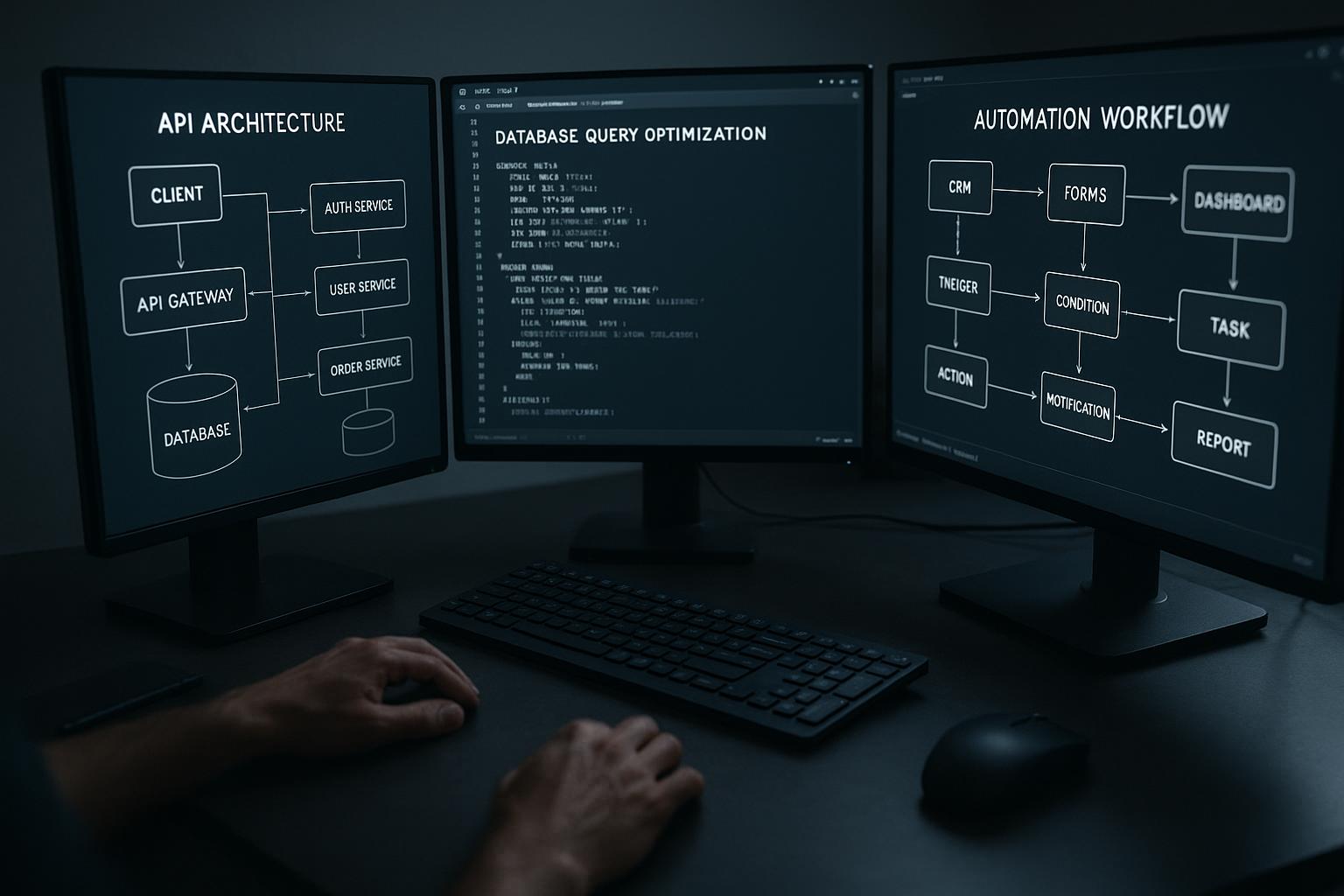
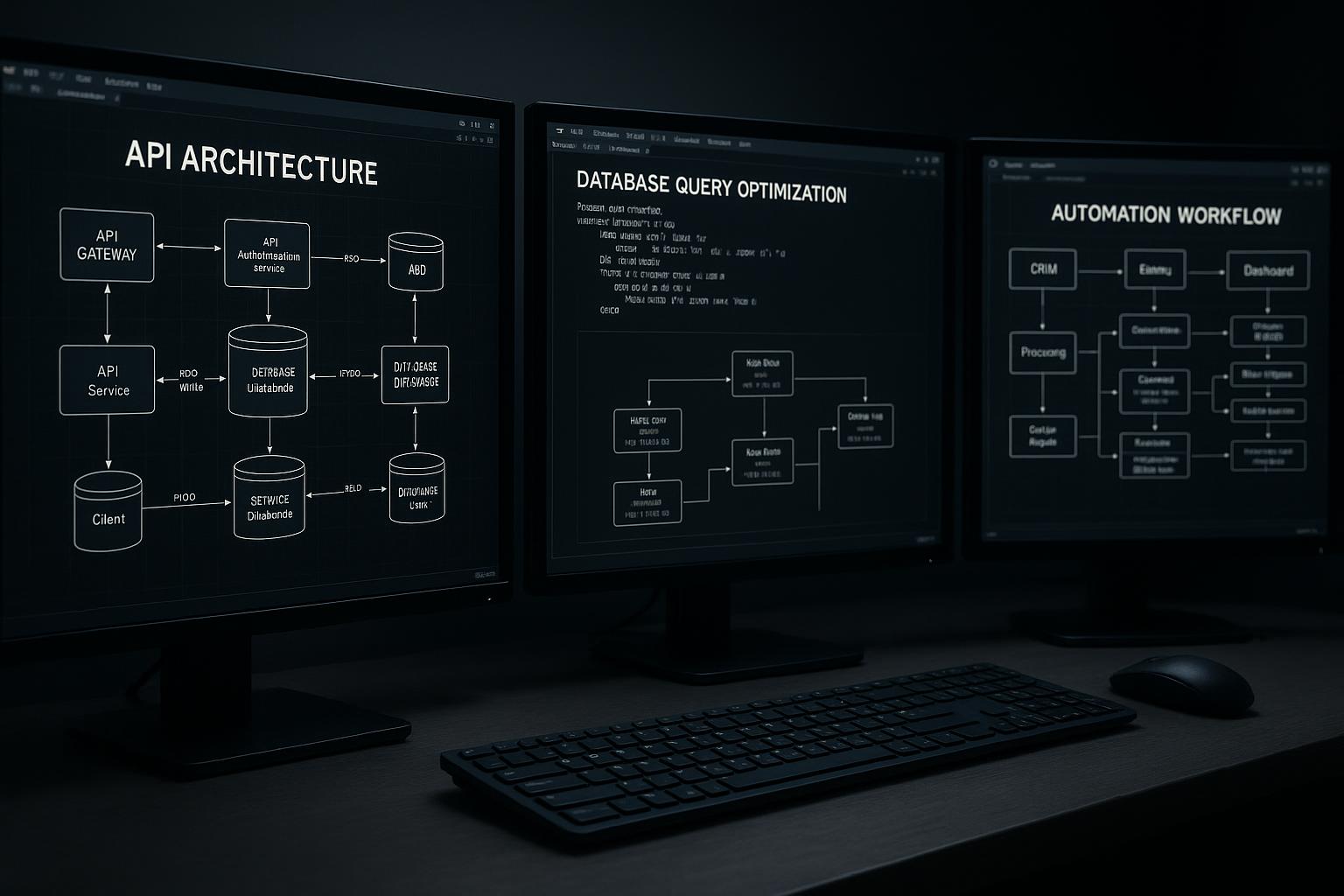
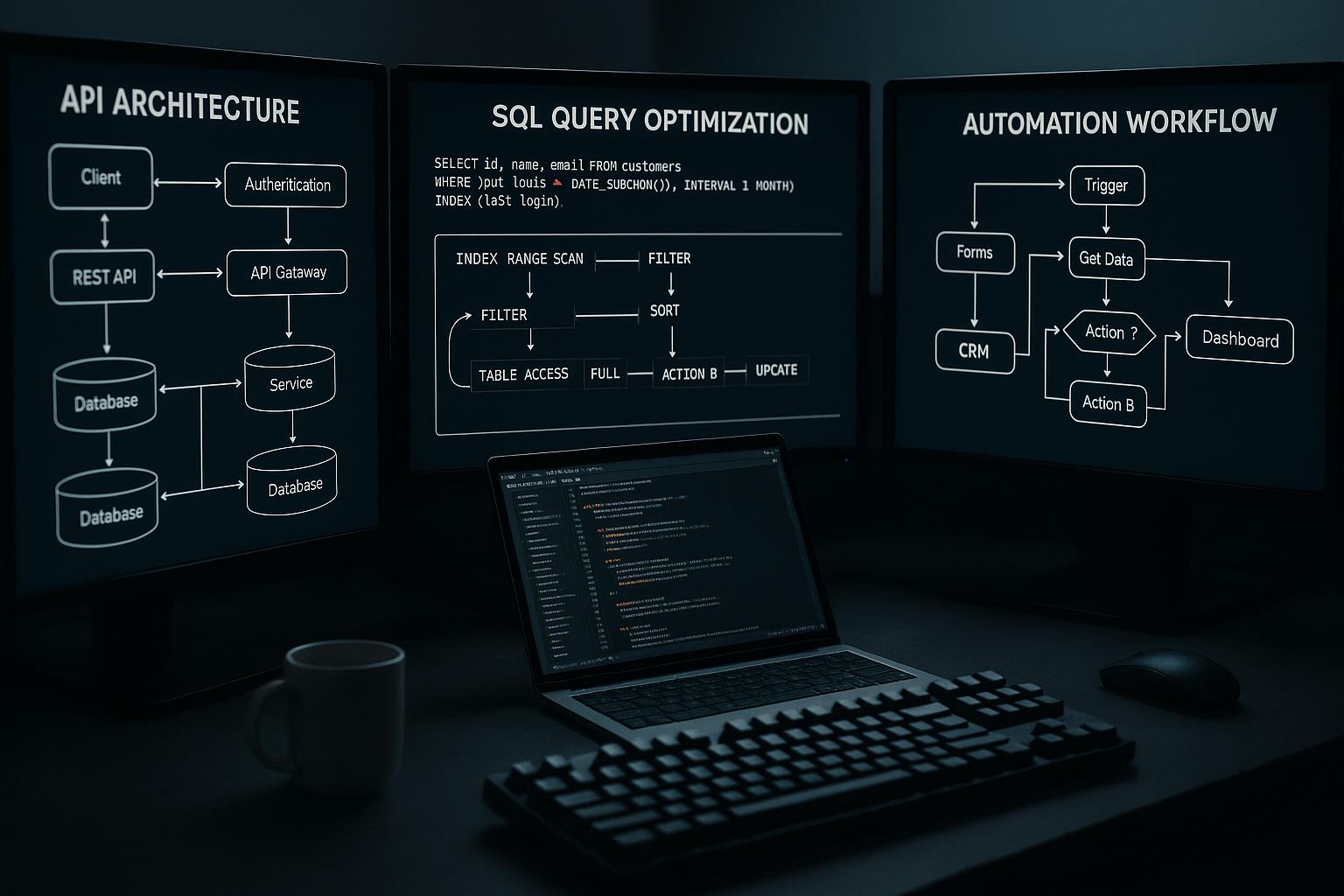
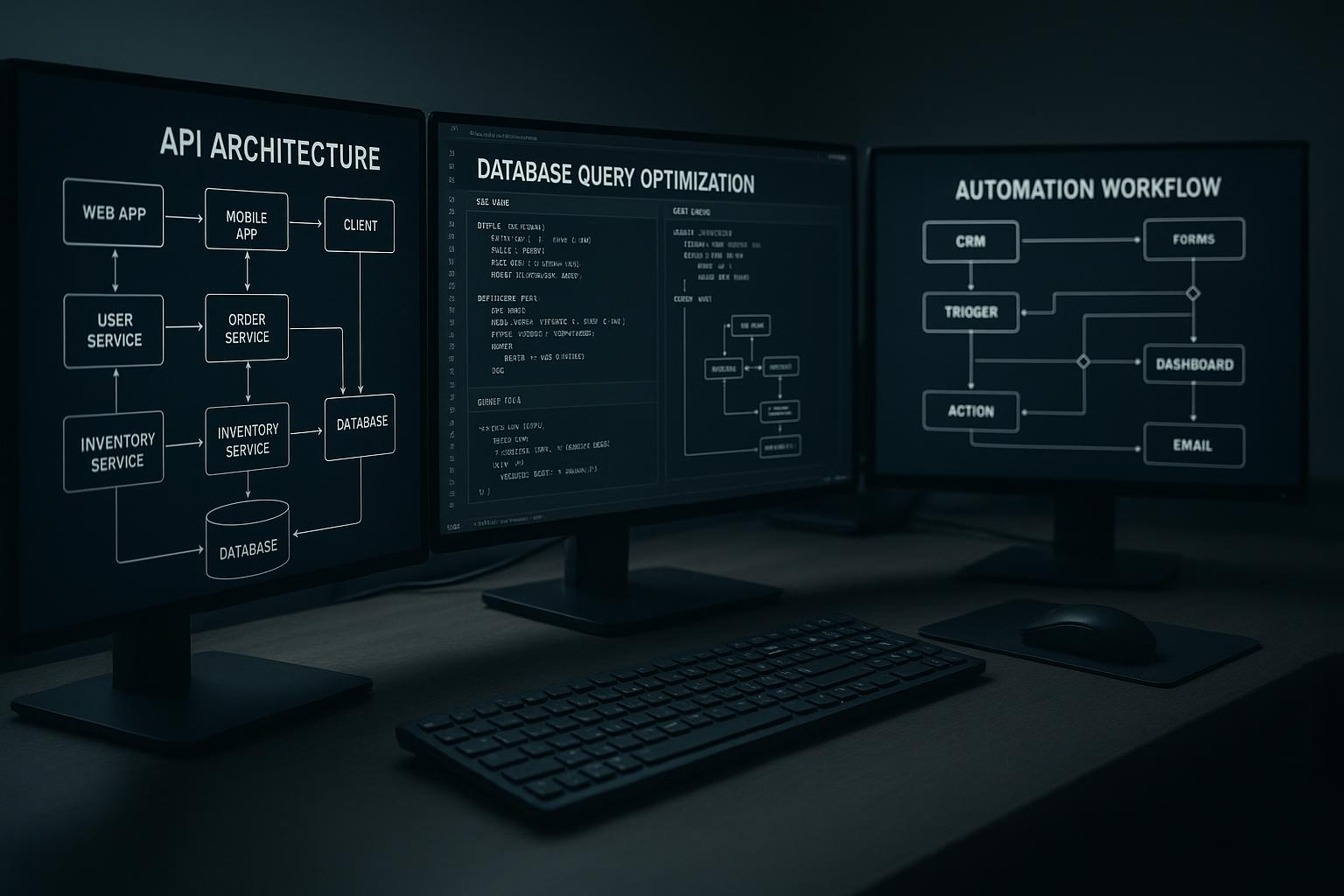
- Architected database design that aligns with business rules, data governance, and performance; optimized stored procedures and query patterns to minimize round trips and latency.
- Enterprise-grade hosting and infrastructure that include redundant network paths, automated backups, security hardening, and proactive monitoring.
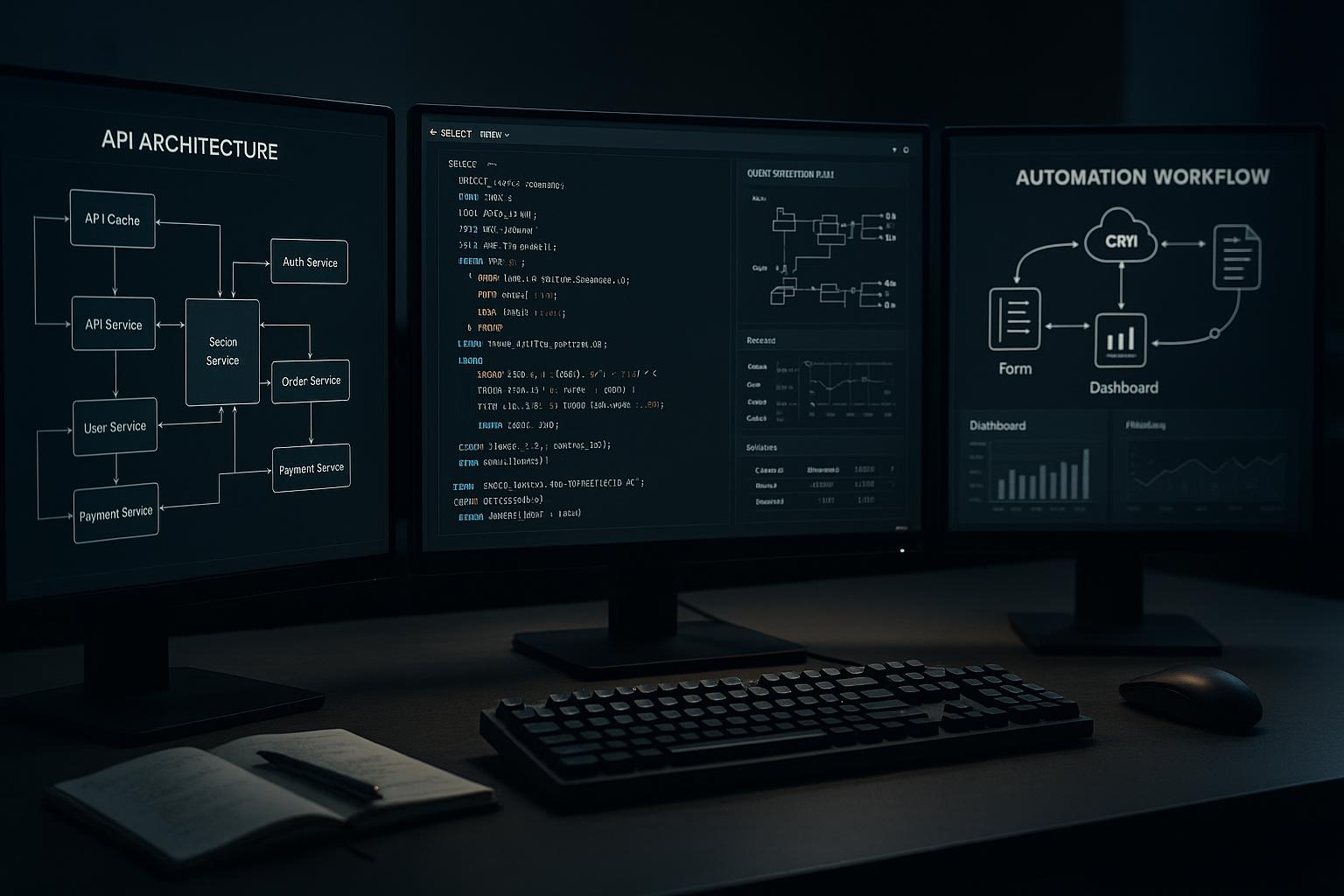
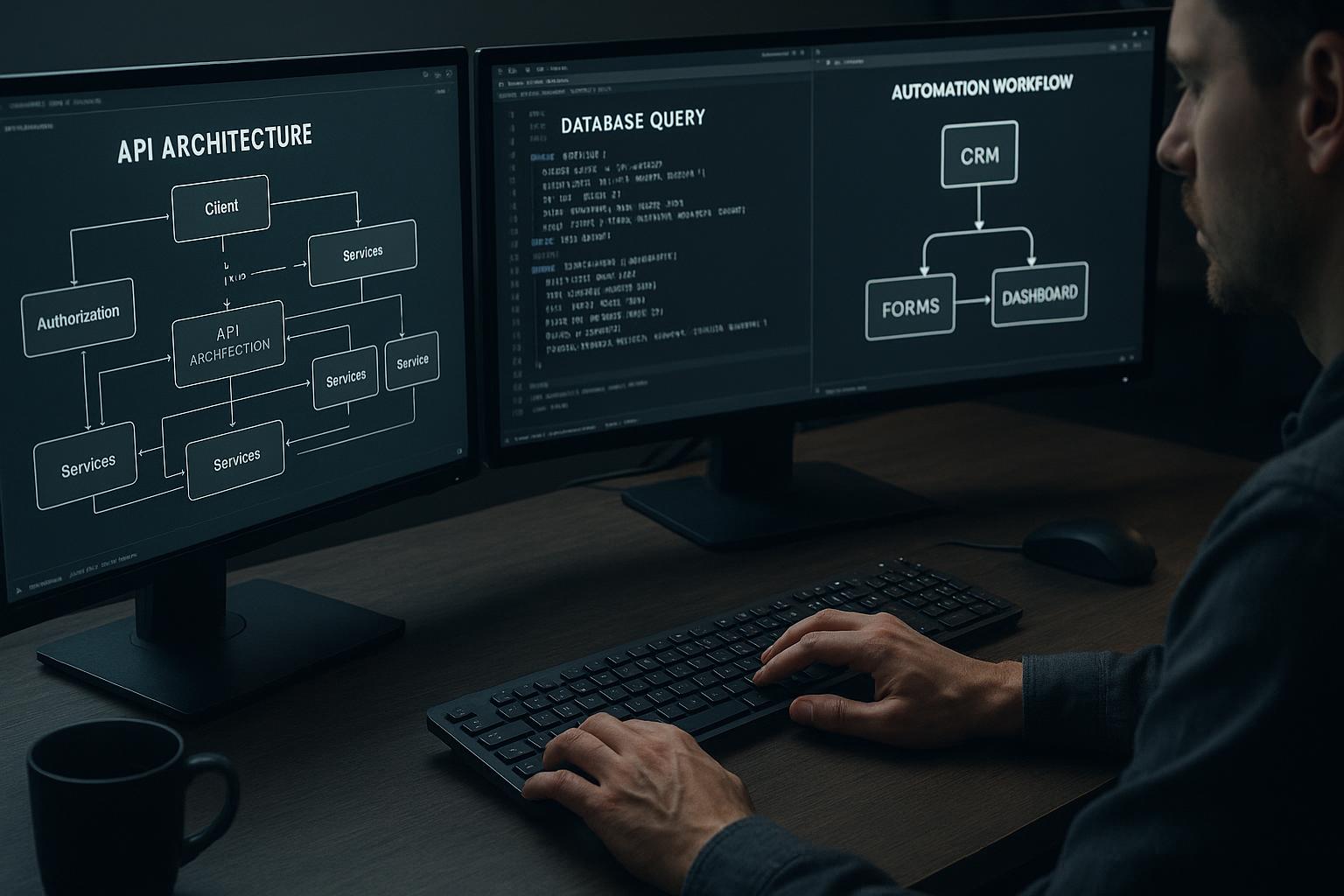
- Seamless integrations with ERP, CRM, payment gateways, and legacy systems via well-documented APIs and message buses, ensuring data accuracy and reliability.
- Security and compliance baked in from the start—OWASP-aligned practices, regular patching, and structured incident-response playbooks.
- Performance-focused delivery: caching strategies, asset optimization, Content Delivery Network (CDN) acceleration, and server-tuning tailored to your CF stack.
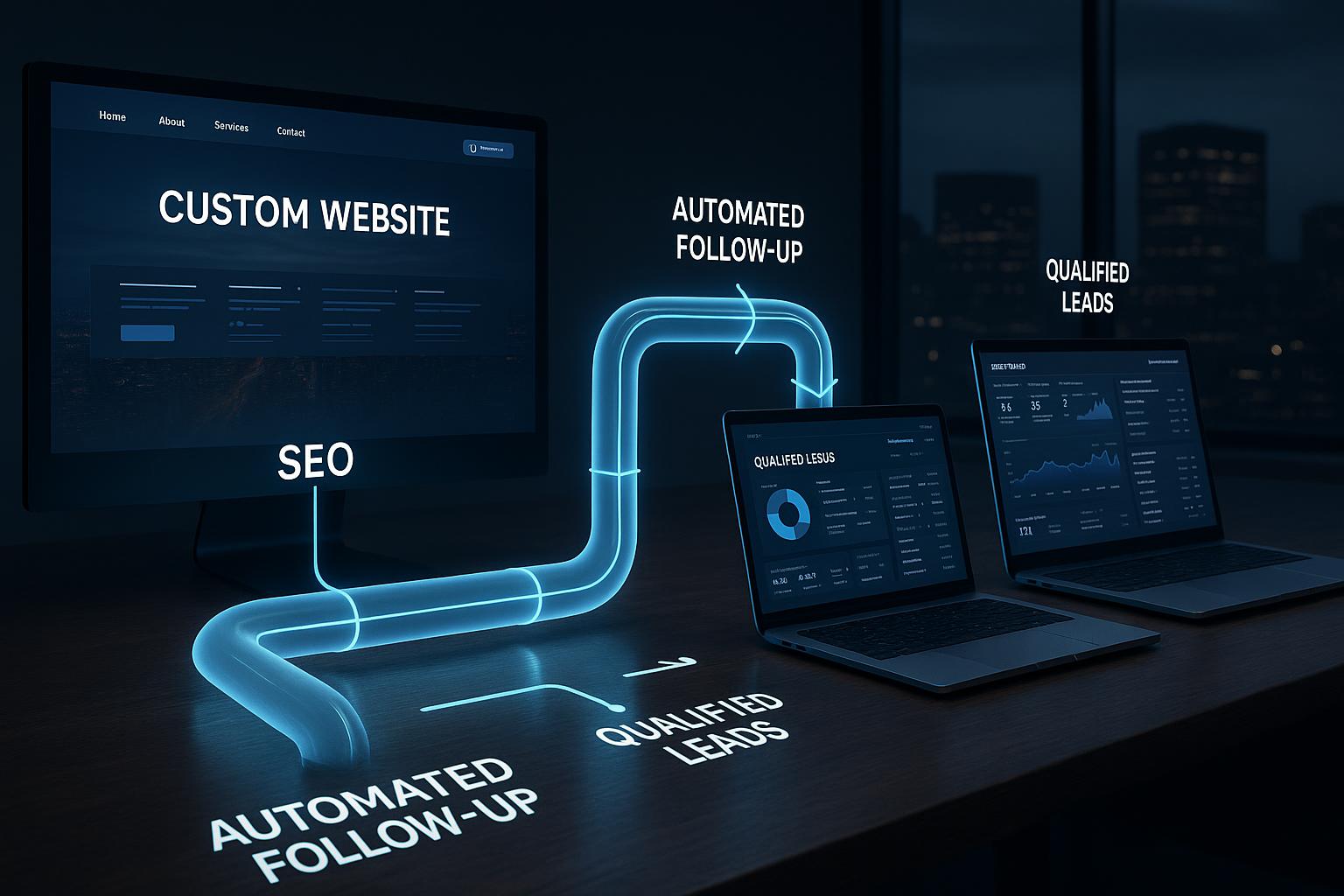
- SEO-informed development: semantic markup, accessible design, structured data, and local search optimization that drive higher rankings and more qualified traffic.
Our team has a track record of turning ColdFusion expertise into measurable outcomes. We don’t just deploy a look-and-feel; we architect systems that support fast page loads, resilient uptime, precise data flows, and conversions that move your bottom line. If you want a partner who understands both the engineering depth and the marketing implications of ColdFusion projects, you’ll find that balance at Full Blown Studio. See examples of our approach and client results at https://www.fullblown.com.
Our approach to building trust, speed, and conversions
Trust, speed, and conversions aren’t accidental results—they’re the outcome of a deliberate, repeatable process. Here’s how we approach ColdFusion Web Design and Hosting to deliver tangible business value:
- Discovery and architecture alignment: We start with business goals, user journeys, and data flows. We translate those into a CF-friendly architecture that anticipates growth, integration needs, and future optimization opportunities.
- Engineering discipline that respects design intent: Our design work remains faithful to your brand while our engineering work ensures the site performs at scale. We separate concerns so content, presentation, and behavior don’t conflict as features evolve.
- Performance-first delivery: From server configuration and caching strategies to asset optimization and lazy loading, every decision reduces time-to-interact. We measure LCP, CLS, and TTI, and optimize accordingly to keep pages fast under load.
- Database architecture that supports business rules: We design databases around your workflows, optimize queries, and implement indexing strategies that materially reduce response times even as data grows.
- Secure by design: Continuous hardening, vulnerability assessments, and routine patch management are integrated into every project lifecycle, protecting data and uptime.
- Integrations that actualize value: Custom APIs, middleware, and event-driven workflows connect ColdFusion applications to external systems, enabling automation that saves time and reduces errors.
- SEO and local optimization baked in: We plan site structure, clean URLs, schema, and content strategy to improve organic visibility and drive qualified traffic from local markets and beyond.
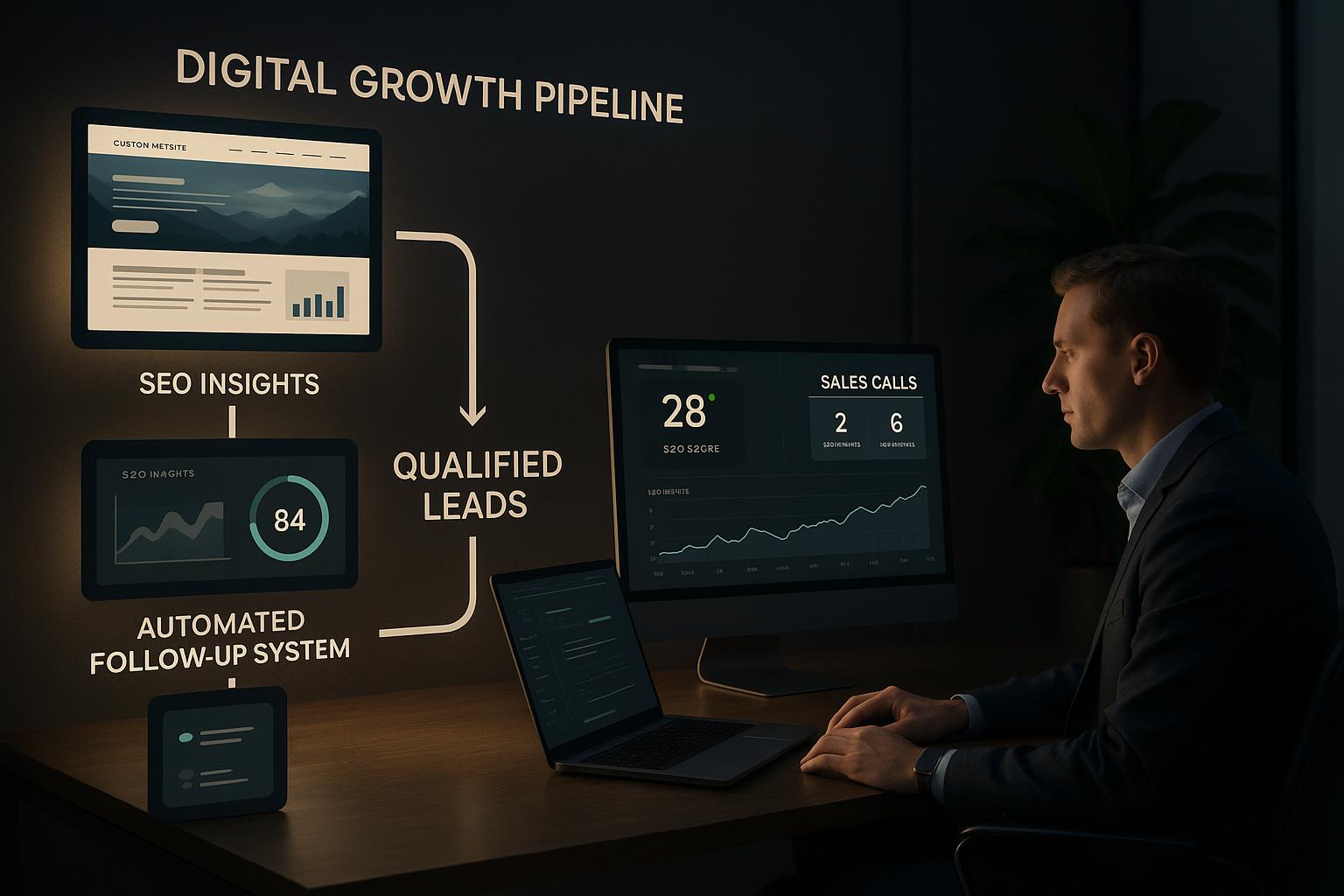
- Measurement that guides decisions: We implement analytics, goal funnels, and conversion tracking aligned with business KPIs so you can quantify progress and iterate quickly.
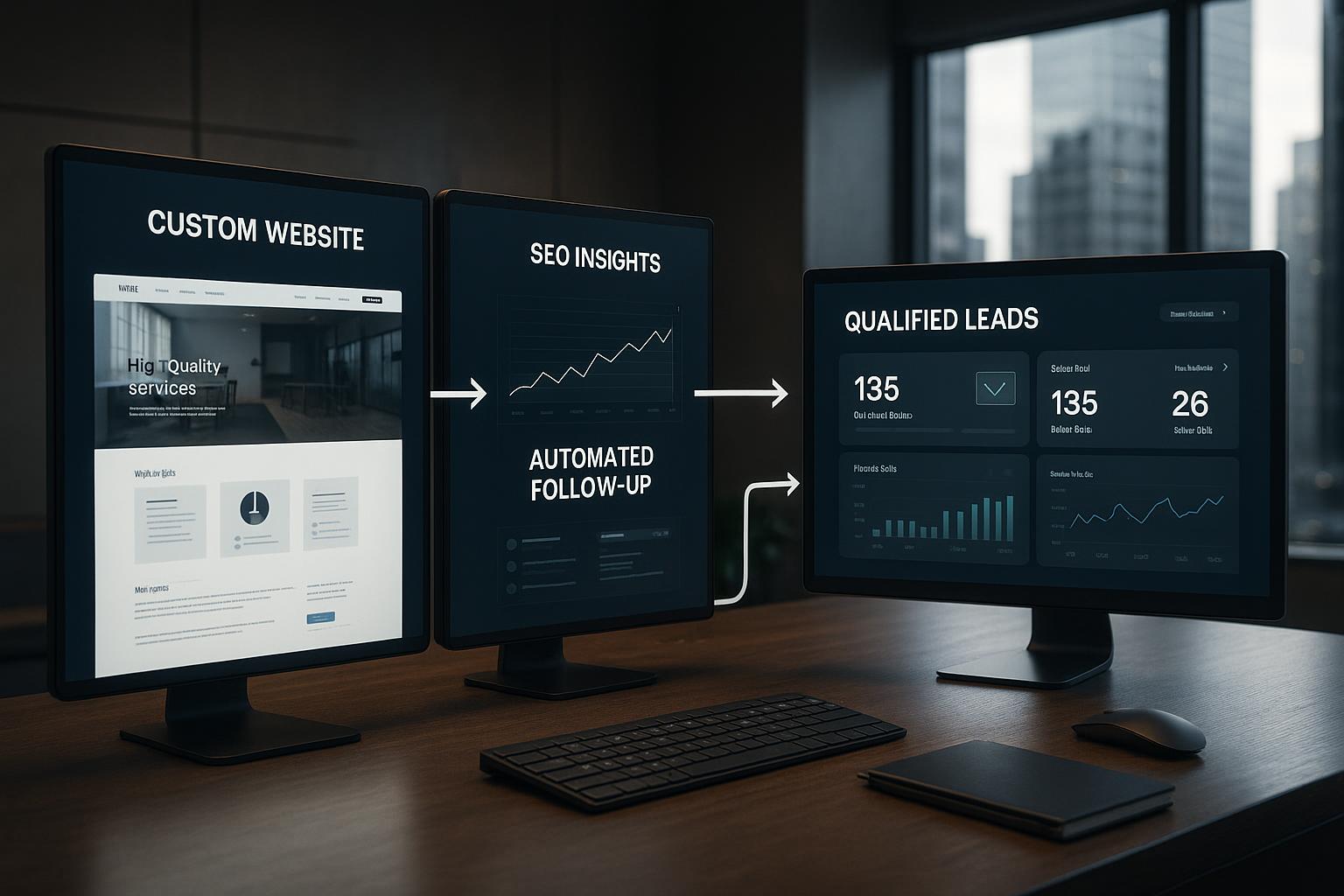
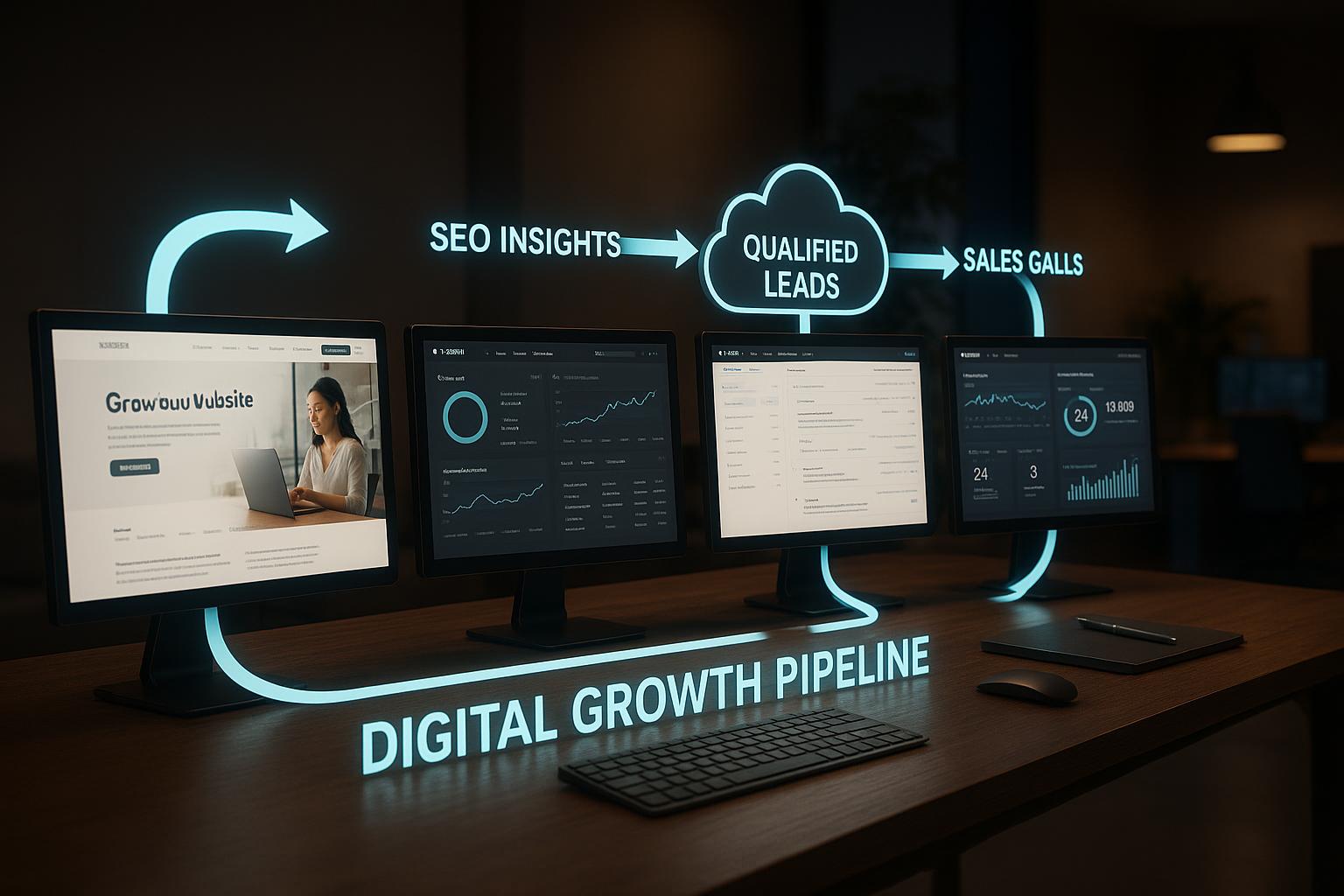
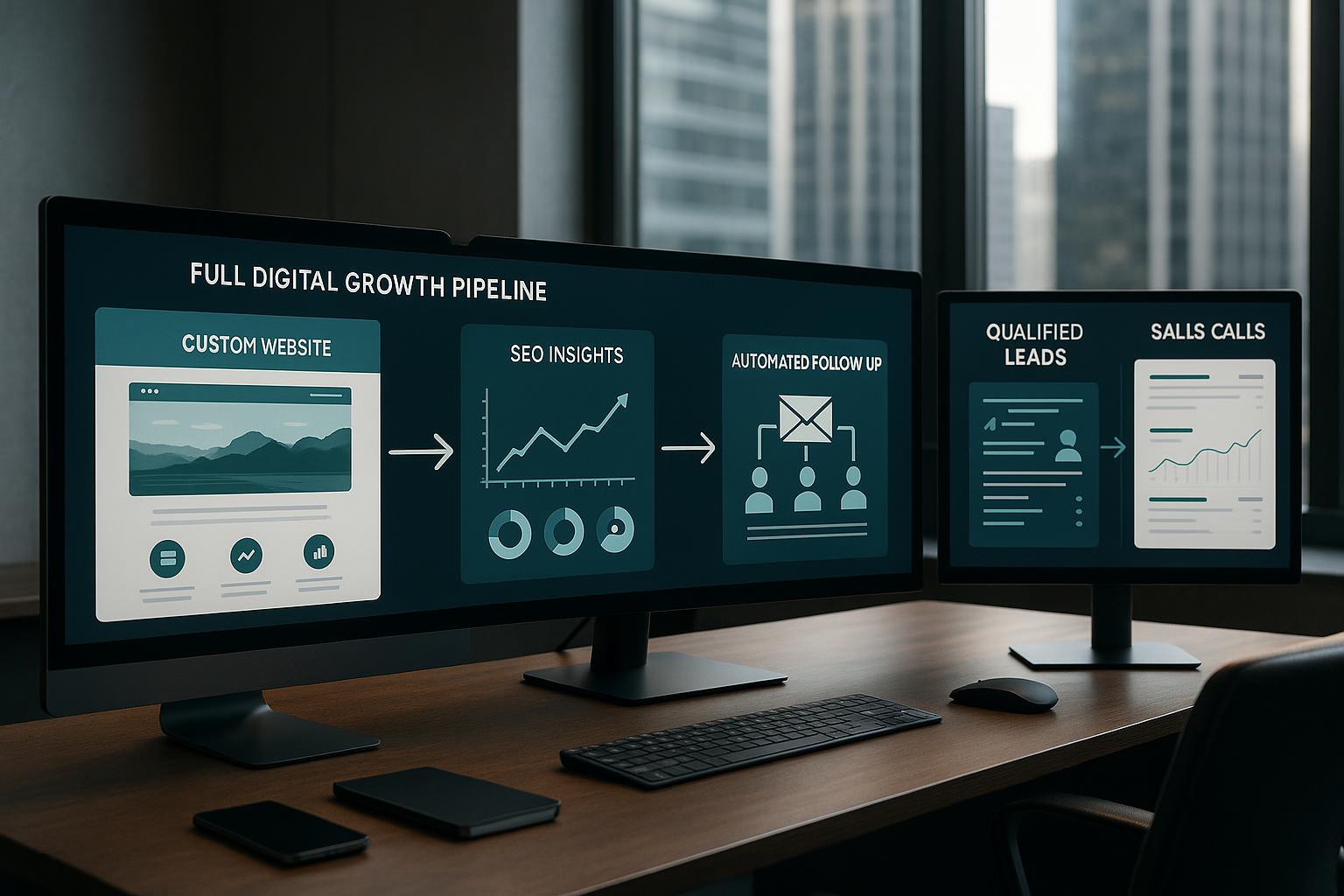
In practice, this means a smoother path from concept to live site, lower maintenance overhead, and a precise link between what you build and what you measure. Our approach is anchored in the belief that great design must be supported by engineering depth and SEO performance to deliver real business impact. If you’re starting with a ColdFusion foundation, we’ll help you leverage it to achieve faster pages, fresher data insights, and higher-quality leads. For more about our process and capabilities, visit https://www.fullblown.com.
Case study, practical takeaways, and FAQ
Mini case example: A mid-market retailer with a ColdFusion-based platform faced slow loading times, fragmented data, and inconsistent lead capture across regional sites. We rebuilt the data architecture to centralize product, inventory, and order data with a ColdFusion-driven service layer, migrated them to a performant hosting stack with edge caching, and implemented a conversion-driven content strategy combined with local SEO enhancements. Within 90 days, the client saw:
- Page load times reduced from an average of 4.8 seconds to 1.4 seconds on desktop and 2.2 seconds on mobile, improving user engagement.
- Lead form conversions increased by 32% as pages loaded faster and forms were optimized for mobile users.
- Local search rankings climbed for key city-level terms, expanding visibility in primary markets and driving more store visits.
- Overall revenue from online channels grew by 18% quarter-over-quarter as conversion rate and average order value improved.
Here are practical takeaways you can implement now to maximize results from a ColdFusion Web Design and Hosting project:
- Audit the CF stack and hosting environment to identify bottlenecks in CPU, memory, or I/O, and implement targeted optimizations.
- Design with a modular CF architecture that isolates business logic from presentation, enabling faster iteration and safer upgrades.
- Adopt a data-centric approach to database design: normalize where appropriate, denormalize for read-heavy paths, and optimize queries with proper indexing.
- Implement caching at multiple layers: page caching for static content, query caching for frequently accessed data, and edge caching via a CDN for global reach.
- Integrate automations that reduce manual tasks—data synchronization, batch processing, and event-driven workflows that minimize latency between systems.
- Incorporate structured data and semantic markup to support rich results in search engines, while ensuring accessibility and a strong user experience.
- Track conversions with precise goals and funnels, and use data to guide ongoing optimization instead of guessing at changes.
- Plan for local SEO from the start: consistent NAP (name, address, phone), optimized local landing pages, and reviews strategy to boost visibility.
Concise FAQ:
Q: How does Full Blown Studio approach ColdFusion projects differently from generic web development shops?
A: We combine ColdFusion engineering depth with design quality and SEO discipline. Our process emphasizes architecture that scales, performance optimization that shows measurable gains, and an ongoing optimization mindset focused on conversions and local visibility. We also provide hosting and security best practices as an integrated service, reducing risk and downtime.
Q: Do you offer hosting and security services in addition to design and development?
A: Yes. Our hosting and security offering includes enterprise-grade infrastructure, automated backups, proactive monitoring, and security hardening tailored to your ColdFusion stack. We align hosting decisions with performance goals and compliance requirements to ensure reliability and peace of mind.
Q: What is the typical timeline and what kind of ROI can I expect?
A: Timelines vary with scope, but most mid-size ColdFusion redesigns with data migrations complete in the 8–12 week range for a launchable MVP, followed by iterative optimization. ROI depends on current performance and optimization scope, but clients commonly see faster load times, improved conversions, and better organic rankings within the first 90 days post-launch, with ongoing gains as SEO and performance improvements compound.
Contact Full Blown Studio
For more information, please contact us at support@fullblown.com or call (661) 429-0940.