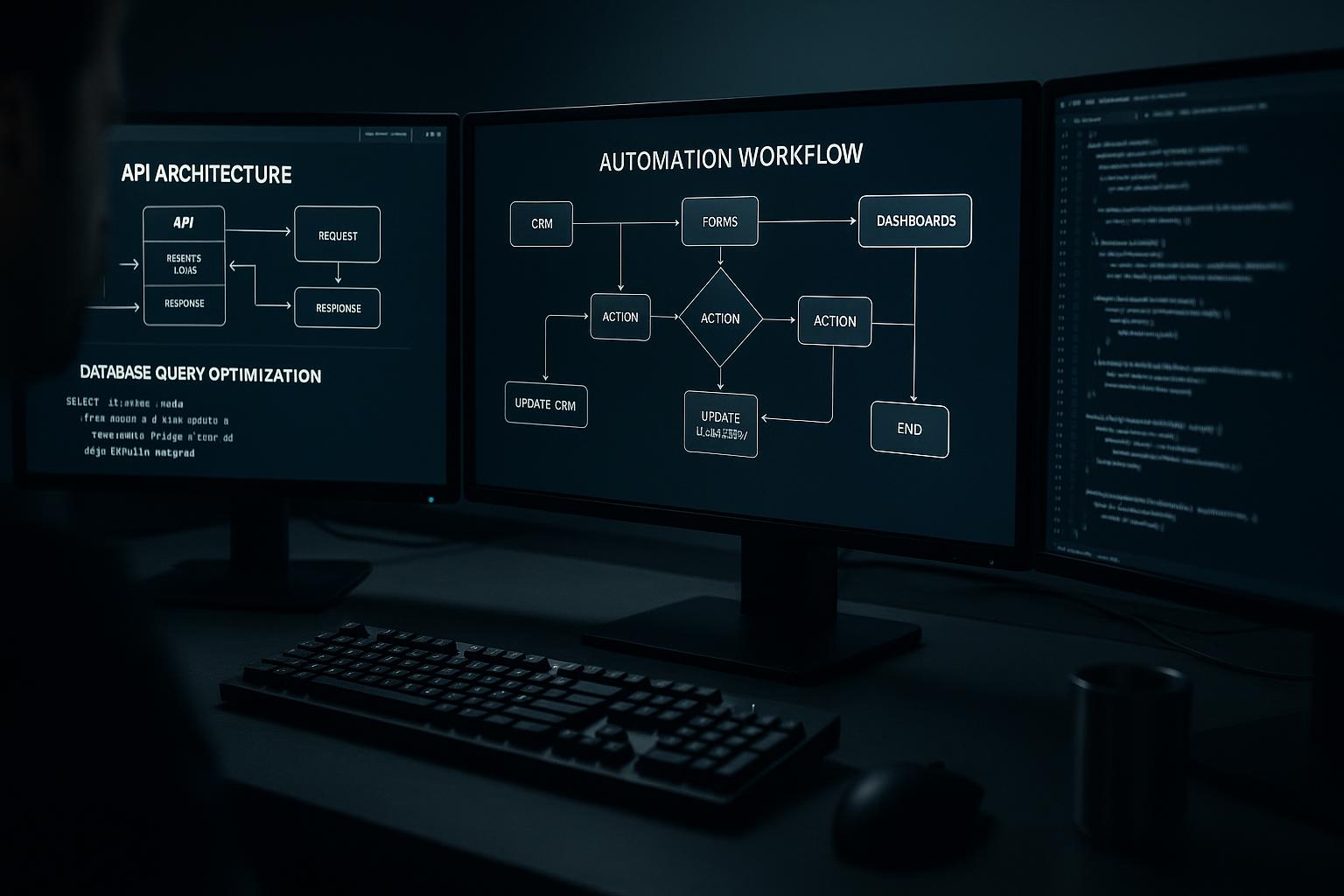


Require human approval for an AI-drafted customer reply when a mistake could create a financial, privacy, policy, or relationship problem, or when the reply depends on facts the system cannot verify. Lower-risk drafts may need lighter review, but only when their scope and source information are clear. Start by classifying the kinds of replies your team handles, then decide what AI may draft, what staff must check, and what must stay with a person.
Approval depends on the consequence of being wrong
AI-drafted customer replies should require human approval whenever an incorrect, incomplete, or misleading message could create a meaningful business, financial, privacy, or relationship problem. Routine wording assistance may need less oversight than a message that changes an order, explains a charge, promises a deadline, or discusses a customer’s account.
Treat approval as a risk control, not a permanent yes-or-no setting for every message. The practical question is whether a specific reply can be checked against reliable information and whether a person can correct it before the customer receives it.
Separate low-risk language help from business decisions
A system that improves tone or drafts a response from an approved FAQ is different from one that decides whether to refund a payment or waive a policy. Define the allowed task narrowly: for example, draft a response that explains a published return process, but do not decide whether an exception applies.
Human review is especially important when a reply contains a commitment, interprets ambiguous policy, discusses sensitive personal or account information, or depends on facts spread across multiple systems. If the available information is incomplete or contradictory, the system should flag the gap rather than smooth it over with confident prose.
Choose an approval path for each reply class
Group messages by what the reply does, not merely by the channel or department receiving them. A shipping-status explanation, a billing dispute, and a request to change account details may all arrive through the same inbox but carry different risks.
For each class, document whether AI may suggest wording, whether staff must verify specific facts, and whether an authorized person must approve the final message. Some classes should remain human-written, or use AI only to summarize the incoming message. Make the rule visible to the staff who handle exceptions.
- Draft only: AI proposes language; a person checks and sends it.
- Verified draft: a person confirms defined facts, such as status and date, before sending.
- No AI reply: staff handle the decision or sensitive discussion directly.
Make review possible, not ceremonial
A useful review screen gives the person the customer’s original message, the proposed reply, and the evidence used to form it. If the draft references an order, policy, or prior conversation, show the relevant source or a clear way to inspect it. A reviewer should not have to trust an unsupported summary.
Ask the reviewer to check the recipient and account, factual claims, policy fit, tone, attachments, and any promised action. Provide ways to edit, reject, or request more information. If the AI is uncertain, that status should be visible; a polished sentence is not evidence that the answer is correct.
Define when approval is bypassed or blocked
Approval rules need an explicit failure path. If source data cannot be retrieved, the customer record is ambiguous, or a required reviewer is unavailable, hold the message or route it to a designated queue. Do not silently send a generic reply if it could be mistaken for a confirmed answer.
If any lower-risk replies can be sent without individual review, limit that permission to a well-defined class with reliable source data and clear boundaries. Keep a way to disable sending quickly, and test what happens when the sending service fails, a message is duplicated, or a draft is approved but not delivered.
Test the workflow with difficult messages
Before using the process with customers, test ordinary cases and edge cases: missing order details, conflicting account records, a request outside policy, a message containing sensitive information, and an attempted instruction embedded in customer text. Confirm the system treats customer-provided text as input to assess, not as authority to override business rules.
Measure operational quality rather than assuming a high approval rate means success. Track how often reviewers correct factual claims, change policy language, reject drafts, or encounter missing evidence. Review those patterns with the people who own the policy and the workflow, then adjust the allowed scope and tests.
Decide which AI-drafted replies need approval
- Classify reply types by risk, not just by how often they occur.
- Set clear rules for what the AI may draft, what staff must review, and what it must never send.
- Show the reviewer the original message, relevant source information, and any uncertainty.
- Require confirmation of recipient, attachments, and promised actions before sending.
- Record the draft, edits, approval, send result, and any failure so the team can investigate later.
Questions about this approach
Does every AI-generated customer reply need approval?
No. The appropriate level depends on the reply’s consequence and whether its claims can be checked. A straightforward explanation based on approved information may need a quick verification, while a refund decision, account change, or sensitive complaint should go to an authorized person.
How can we tell whether our approval rules are working?
Measure the review work and the errors it catches. Track factual corrections, policy changes, rejected drafts, missing-source cases, and sending failures. Use those findings to revise the reply categories and tests; do not treat fewer reviews or faster sending alone as proof that the process is safe.
When is an AI reply workflow unnecessary?
Keep it as a drafting aid if the system cannot reliably access the relevant facts, the decision depends on judgment or authority it does not have, or reviewers cannot inspect the evidence. A smaller, clearly bounded workflow is often more manageable than automating the entire conversation.
For help applying this approach, explore our custom AI projects services.
Discuss your project with Full Blown Studio
Tell us what needs to work better and what you have tried. Discuss your project, email bob@fullblown.com, or call (661) 429-0940.